90% of people don’t get enough fibre. Low intake is a ‘silent killer’, raising your risk of heart disease, type 2 diabetes, and cancer.
But it doesn’t have to be this way. Fibre is the simplest way to take control of your health.
At Epic Life, we help you track and optimise your fibre intake for long-term health. Your Epic Health Stack will make fibre an easy and rewarding part of your nutrition pillar, giving you the real-time data to hit your daily targets.
In the meantime, here is the science on why you need it, the best foods to eat, and how to win the long game on health.
Fibre plays a vital role in disease risk and weight management
The global fibre gap
90% of people worldwide fail to meet the recommended fibre intake of 25–30g per day.
When we look at the data, the picture is bleak:
UK average: 18g/day
USA average: 16g/day
Target: 25–30g/day
Most of us are falling short. While Mediterranean diets sit closer to the ideal thanks to a higher intake of whole grains and legumes, the Western diet has a massive dietary gap. This gap is directly linked to an increased risk of non-communicable diseases (NCDs).
The science: why fibre matters
Low dietary fibre intake is a significant risk factor for cardiovascular disease (CVD), type 2 diabetes (T2D), and certain cancers. Conversely, studies show that a daily intake of 25–30g of fibre can reduce the risk of these diseases by up to 27%.
How does it work? It improves multiple metabolic pathways:
Glucose and insulin regulation: Fibre slows glucose absorption, leading to a lower risk of type 2 diabetes.
Lipid metabolism: It lowers LDL (bad cholesterol), reducing cardiovascular risk.
Fatty acid (SCFA) production: It supports the microbiome, enhancing gut health and immune function.
Appetite regulation: It improves satiety, aiding weight management and reducing obesity risk.
Anti-inflammatory effects: It reduces chronic inflammation and oxidative stress.
Sources of fibre: soluble vs insoluble
To hit your targets, you need to understand the two main types of fibre and where to find them.
Soluble fibre: Slows digestion, lowers cholesterol, and regulates blood sugar.
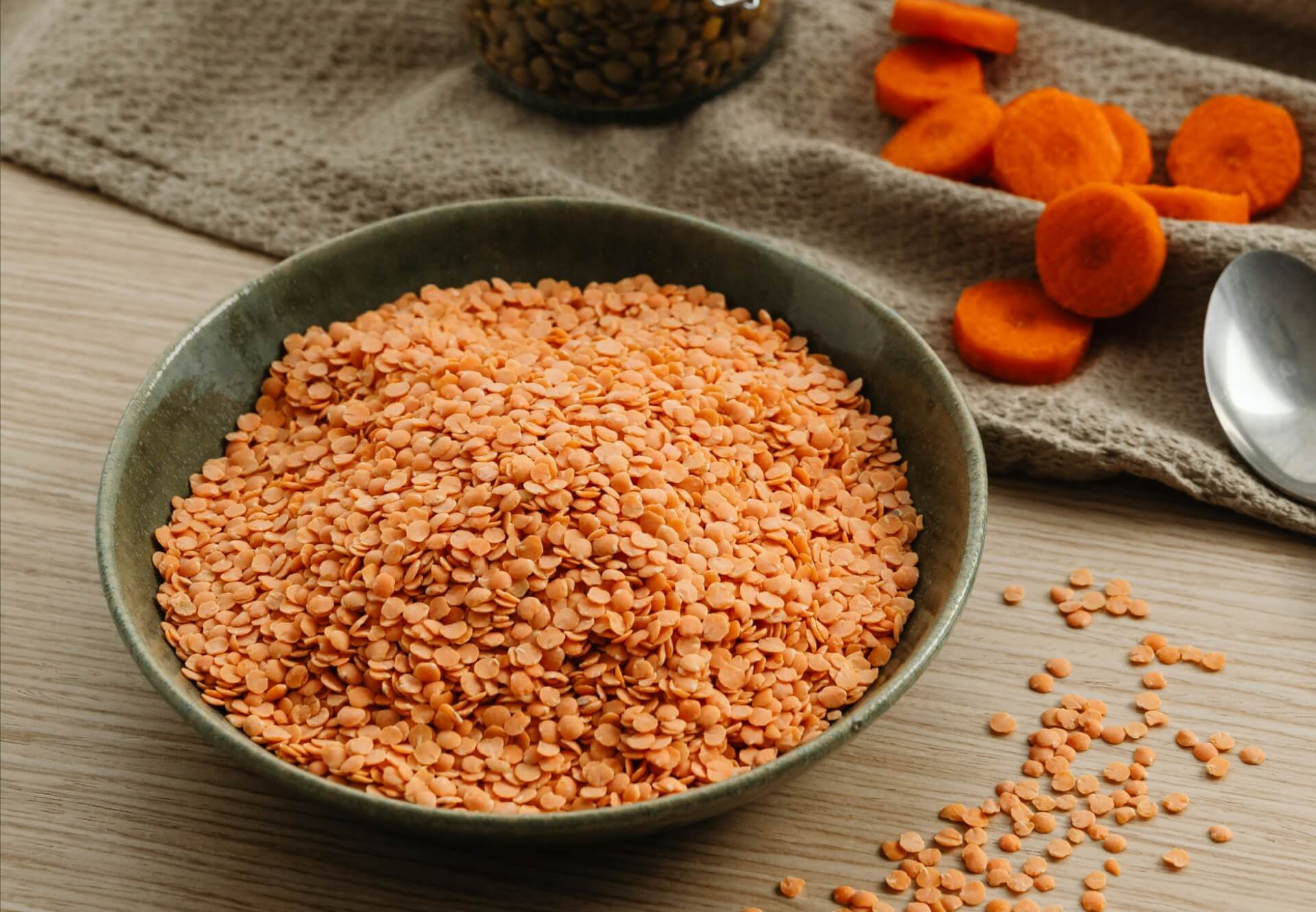
Sources: Oats, apples, citrus fruits, beans, and lentils.
Insoluble fibre: Adds bulk to stools and supports regularity.
Sources: Whole grains, nuts, seeds, carrots, cucumbers, and broccoli.
Important note: Incorporate fibre gradually to avoid digestive discomfort. Hydration is key—fibre needs water to function properly in your gut, so drink plenty of fluids throughout the day.
The best fibre-rich foods
If you want to maximise your intake, think ‘density.’ Grains and legumes pack significantly more fibre per gram than fruits. For perspective, a cup of lentils offers 10–16g, while an apple offers only 4–6g.
Top fibre boosters:
Chia seeds: 10g per 2 tbsp
Legumes (lentils, chickpeas, black beans): 10–16g per cup
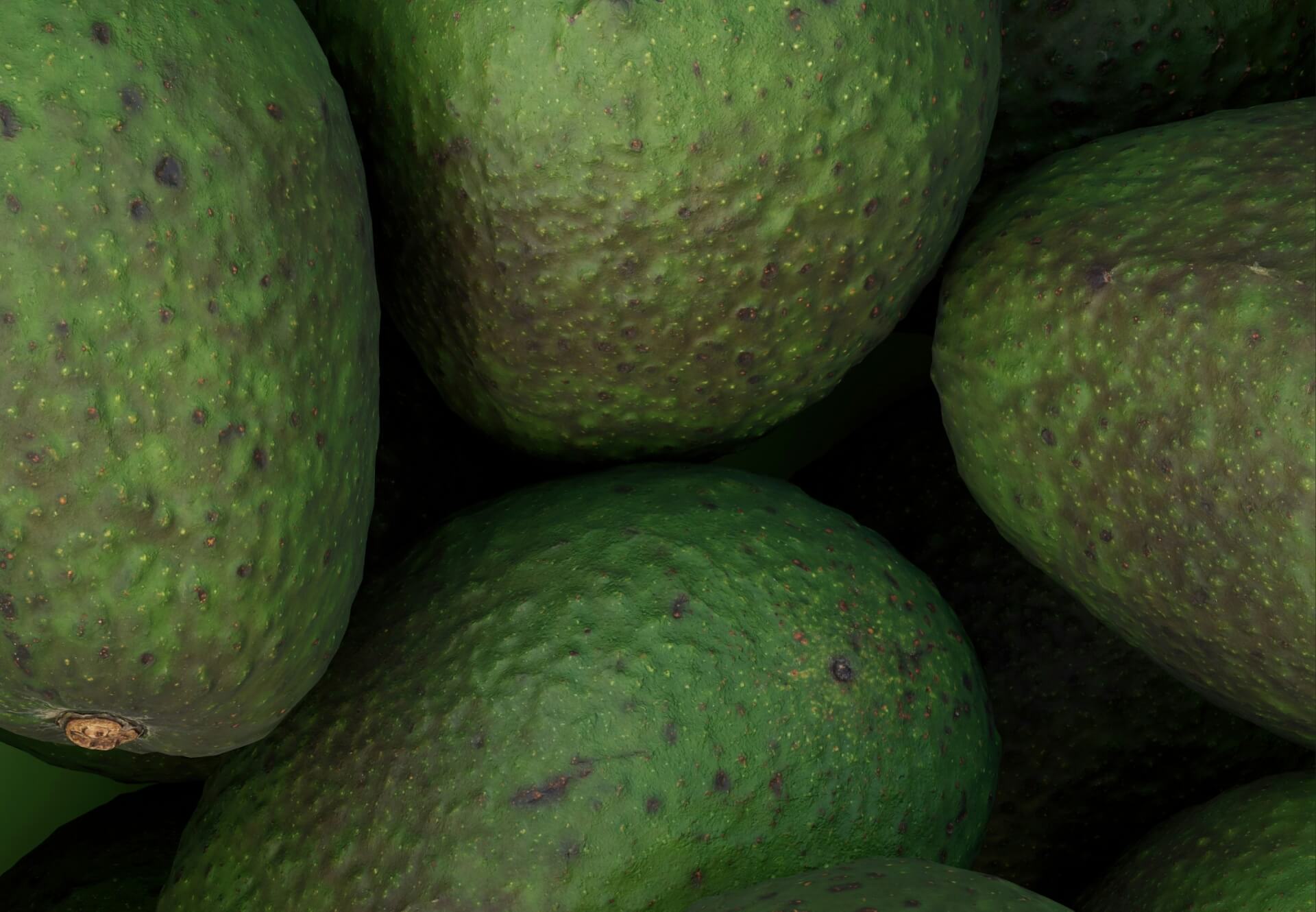
Avocado: 10g per fruit
Oats: 8g per cup
Berries: 8g per cup
Broccoli: 5g per cup
Epic wins: how to optimise your intake
To win the long game, you need a strategy. Here is how to structure your fibre intake for maximum benefit.
Best timings
Morning: Organic rolled oats, chia seeds, and berries in a smoothie or porridge are great to kickstart digestion and maintain stable blood sugar.
Throughout the day: Focus on consistency. Aim for 7–10g per meal.
Evening: Adding fibre at dinner (e.g., lentils, broccoli, or quinoa) helps regulate glucose overnight.
Pro tip: Focus on weekly goals rather than daily. A 175–200g target per week makes it easier to manage variations in day-to-day eating.
Power pairings
Pairing your fibre with specific foods enhances health benefits and reduces disease risks:
Pair with healthy fats: Avocado, olive oil, and nuts help reduce cardiovascular risk by improving lipid profiles.
Pair with plant-based proteins: Lentils, beans, and quinoa offer high fibre content and promote better blood sugar control.
Pair with fermented foods: Yoghurt, kefir, and kimchi boost gut microbiome diversity, amplifying the anti-inflammatory benefits of fibre.
Pair with antioxidants: Berries, dark leafy greens, and turmeric reduce oxidative stress and complement fibre’s role in lowering cancer risk.
References
Reynolds, A., Mann, J., Cummings, J., Winter, N., Mete, E., & Te Morenga, L. (2019). Dietary fibre intake and risk of non-communicable diseases: A systematic review and meta-analysis. The Lancet, 393(10170), 424–435. https://doi.org/10.1016/S0140-6736(18)31809-9
Reynolds, A., et al. (2019). Dietary fibre intake and risk of non-communicable diseases. The Lancet, 393(10170), 424–435. https://doi.org/10.1016/S0140-6736(18)31809-9
Slavin, J. L. (2013). Fiber and prebiotics: Mechanisms and health benefits. Nutrients, 5(4), 1417–1435. https://doi.org/10.3390/nu5041417
Public Health England (PHE). (2020). National Diet and Nutrition Survey (NDNS), Years 9–11 (2016/2017 to 2018/2019). https://www.gov.uk/government/statistics/ndns-results-from-years-9-to-11-2016-to-2019
NHANES – National Health and Nutrition Examination Survey. (2017–2018). What We Eat in America. https://www.cdc.gov/nchs/nhanes/index.htm
Sofi, F., et al. (2010). Mediterranean diet and health status: An updated meta-analysis and a proposal for a literature-based adherence score. Public Health Nutrition, 13(9), 1189–1197. https://doi.org/10.1017/S1368980010000912
Anderson, J. W., et al. (2009). Health benefits of dietary fiber. Nutrition Reviews, 67(4), 188–205. https://doi.org/10.1111/j.1753-4887.2009.00189.x
World Health Organization (WHO). (2003). Diet, nutrition, and the prevention of chronic diseases (Technical Report Series No. 916). Geneva: World Health Organization. https://www.who.int/publications/i/item/924120916X
Reynolds, A., et al. (2019). Dietary fibre intake and risk of non-communicable diseases. The Lancet, 393(10170), 424–435. https://doi.org/10.1016/S0140-6736(18)31809-9
Slavin, J. L. (2013). Fiber and prebiotics: Mechanisms and health benefits. Nutrients, 5(4), 1417–1435. https://doi.org/10.3390/nu5041417
Sonnenburg, J. L., & Bäckhed, F. (2016). Diet–microbiota interactions as moderators of human metabolism. Nature, 535(7610), 56–64. https://doi.org/10.1038/nature18846