
You already knew excessive ultra-processed foods harm your body. Now it’s clear they damage your brain too.
That’s the finding from a major new study published in Frontiers in Cardiovascular Medicine.
So how do you protect your cognitive health in a world engineered to hijack and overcome your willpower? That’s exactly what the Epic Life Health Intelligence Companion is being built to help you solve. It won’t just tell you what to eat—it will track how food choices show up in your blood biomarkers and daily behaviours, creating a feedback loop tailored to your unique biology.
While we’re shaping that future, use the strategies in this post to stay in control today and protect your brain tomorrow.
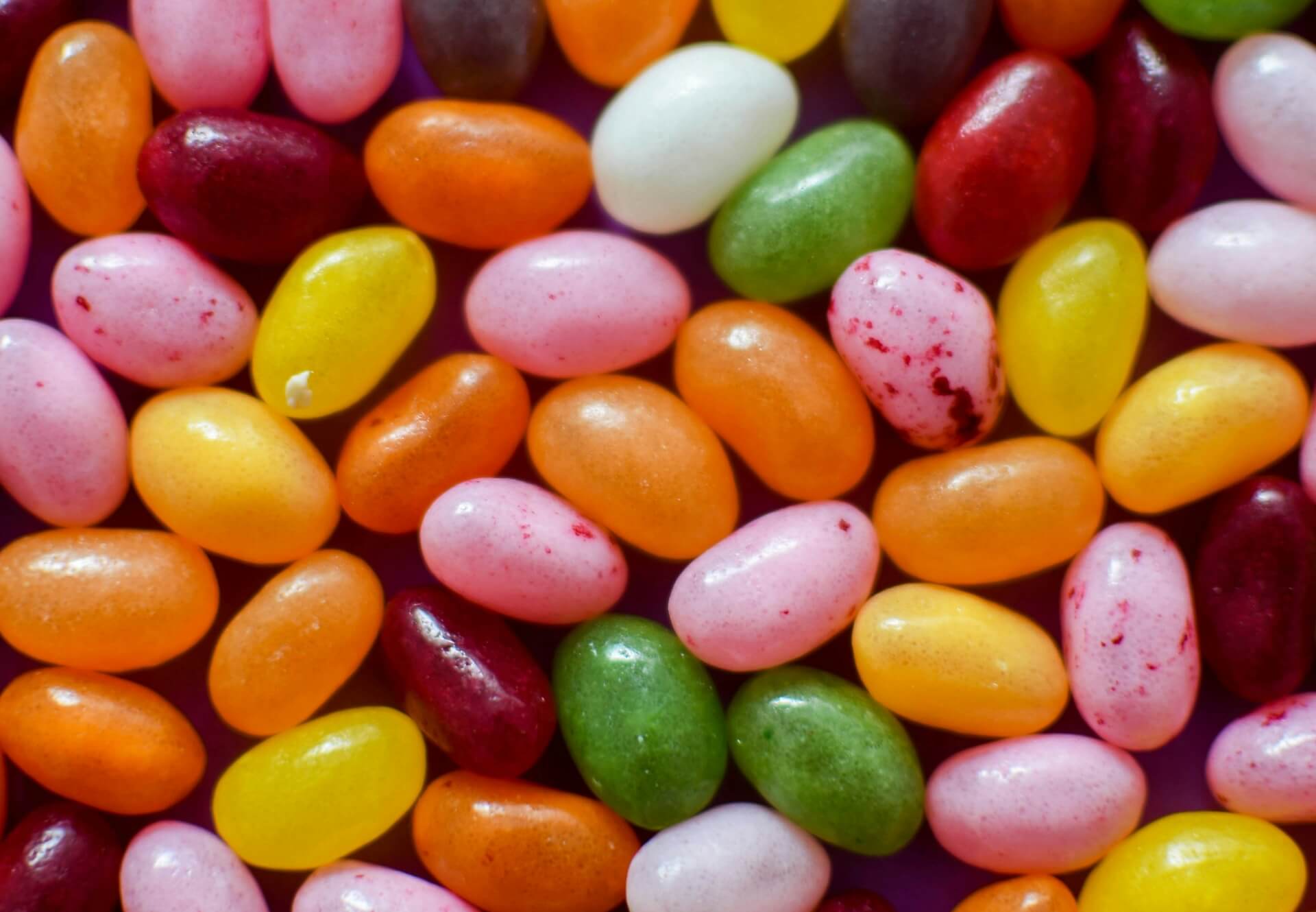
Excessive junk food consumption: not a smart choice
The science: what happens to your brain on junk food?
A global study of 10,775 adults tracked over eight years found alarming results for those consuming high amounts of ultra-processed foods (UPF). The study revealed:
28% faster decline in overall cognition.
25% faster decline in executive function.
This decline was observed among people who got 20% or more of their daily calories from UPF. To put that in perspective, on a 2,000-calorie diet, that is roughly equivalent to eating just five chocolate biscuits.
What counts as UPF? UPFs were defined using the NOVA system, a method scientists use to classify foods by how processed they are. Think: fizzy drinks, sweets, crisps, and microwave meals.
Why executive function matters
Executive function is your brain’s command centre. It governs:
Planning
Focus
Decision-making
Impulse control
Goal-setting
It is the biological mechanism that lets you turn good intentions into real-world action.
In a major review of 62 studies, researchers found that strong executive function consistently predicted healthier behaviours, such as exercising regularly, eating a healthier diet, and lowering tobacco and alcohol use.
The kicker? Executive function starts to decline in midlife, earlier than memory or language. The time to protect it is right now.
What this study can’t tell us (yet)
While the pattern is significant, it is important to note the limitations of this specific study:
Correlation, not causation: UPFs were associated with cognitive decline, but we can’t say for definitive certainty they caused it.
Other factors: Even with adjustments for lifestyle and income, unmeasured factors (like sleep and stress) may influence results.
Self-reported diet: Food diaries were used, which often include under- or over-reporting.
However, the findings are consistent with the broader trend in brain health research: what you eat directly impacts how you think.
Epic wins: how to protect your brain
We won’t just tell you to “cut down on junk.” That relies on willpower, which often fails. Here is what works, according to science:
1. Make junk food harder to reach
A 2019 study found that simply placing M&Ms farther away reduced how often people ate them—even when they were distracted. If it’s not on your desk, you likely won’t eat it.
2. Cook your own meals
Young adults who cooked at home, ate regularly, and avoided distractions had significantly better diets, according to a study of over 1,000 people.
3. Focus on your food
A meta-analysis found that eating while distracted led to more calories consumed now and later. But those who actively remembered what they ate earlier? They ate less later. Turn off the TV and focus on the plate.
The Epic Life advantage
Willpower is a finite resource. Feedback is infinite.
Epic Life’s Health Intelligence Companion is designed to make these habits stick, not through guilt, but through real-time data. It will:
Track your diet patterns over time.
Link food choices to changes in your blood biomarkers (like glucose, inflammation, and cholesterol).
Spot trends that sabotage your brain health before they become habits.
The goal? To help you tune into your health and make smart food choices second nature.
References
Gonçalves NG, Ferreira NV, Khandpur N, Steele EM, Levy RB, Lotufo PA, Bensenor IM, Caramelli P, de Matos SM, Marchioni DM, Suemoto CK. Association between consumption of ultraprocessed foods and cognitive decline. JAMA neurology. 2023 Feb 1;80(2):142-50.
Allan JL, McMinn D, Daly M. A bidirectional relationship between executive function and health behavior: evidence, implications, and future directions. Frontiers in neuroscience. 2016 Aug 23;10:386.
Hunter JA, Hollands GJ, Pilling M, Marteau TM. Impact of proximity of healthier versus less healthy foods on intake: A lab-based experiment. Appetite. 2019 Feb 1;133:147-55.
Laska MN, Hearst MO, Lust K, Lytle LA, Story M. How we eat what we eat: identifying meal routines and practices most strongly associated with healthy and unhealthy dietary factors among young adults. Public health nutrition. 2015 Aug;18(12):2135-45.
Robinson E, Aveyard P, Daley A, Jolly K, Lewis A, Lycett D, Higgs S. Eating attentively: a systematic review and meta-analysis of the effect of food intake memory and awareness on eating. The American journal of clinical nutrition. 2013 Apr 1;97(4):728-42.