Epic Life: Pre Results Counselling Guide
Epic Life blood testing is designed to give you comprehensive, early insight into your health so you can make informed decisions about how you feel today and how you age in the future. This guide explains the full range of biomarkers we test across all Epic Life panels and what each group of tests helps us understand. It aims to ensure that you understand the purpose, implications, and limitations of your blood tests.
A Whistle-Stop Tour of the Epic Life Blood Test Panels
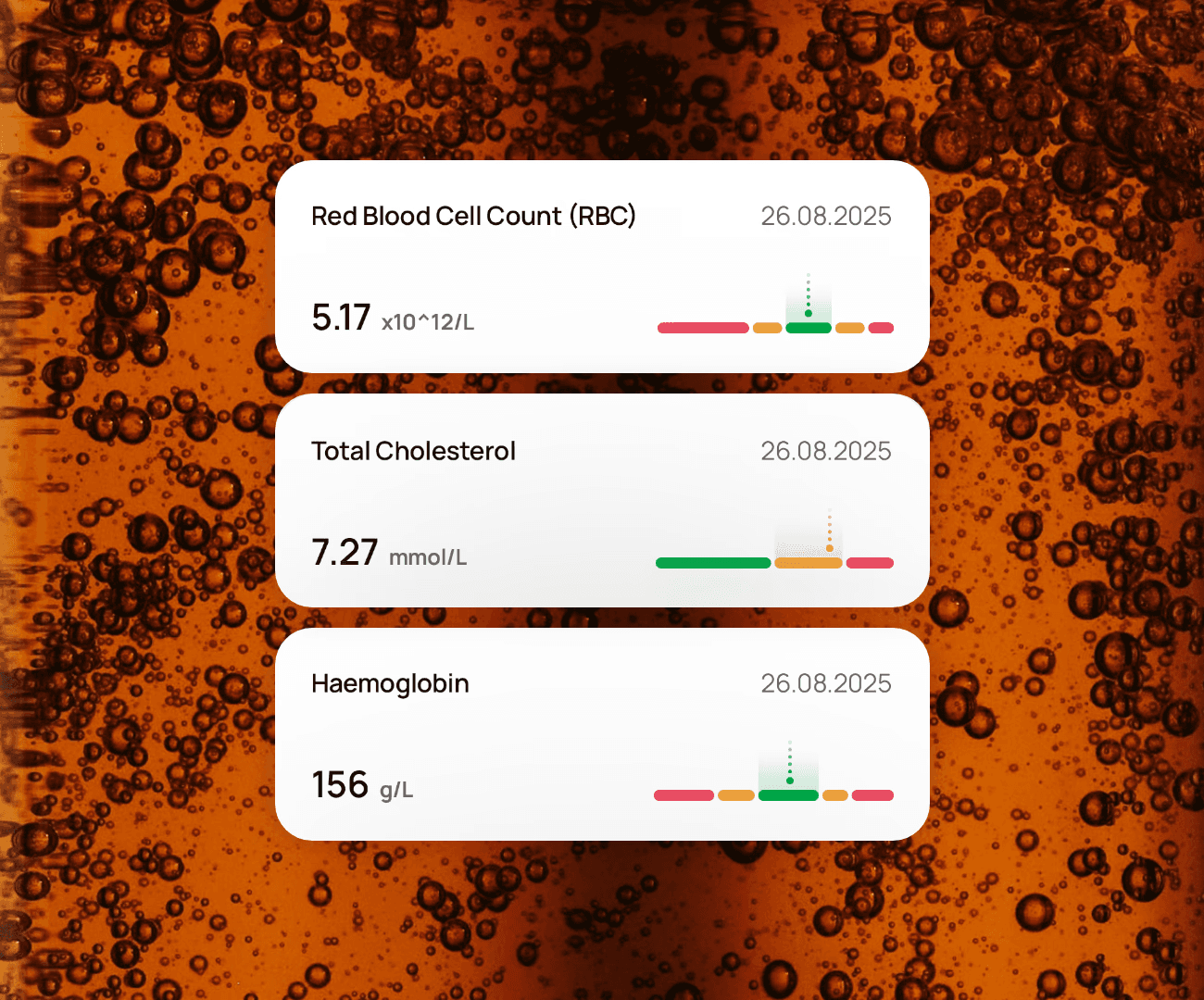
Below is a high-level overview of the 10 main categories of blood tests included in Epic Life’s biomarker testing. Your personalised results dashboard will provide deeper explanations for your specific biomarkers. Remember- you can always ask your AI Health Companion for more information or insight into what a particular blood test measures and why it is important.
Blood Health
These markers assess oxygen delivery, anaemia risk, hydration status, energy, and overall vitality.
Biomarkers:
Haemoglobin (HGB), Haematocrit (HCT), Red Blood Cell Count (RBC), Mean Corpuscular Volume (MCV), Mean Corpuscular Haemoglobin (MCH), Mean Corpuscular Haemoglobin Concentration (MCHC), Red Cell Distribution Width (RDW)
Heart Health
The most predictive cardiovascular markers available, giving a true picture of heart and arterial health.
Biomarkers:
ApoB, ApoA1, ApoB:ApoA1 Ratio, Lipoprotein(a) [Lp(a)], Total Cholesterol, LDL Cholesterol, HDL Cholesterol, Non-HDL Cholesterol, Triglycerides, Total Cholesterol/HDL Ratio
Metabolic Health
These markers detect metabolic strain, early insulin resistance, and long-term glucose control.
Biomarkers:
HbA1c, Uric Acid (metabolic and inflammatory relevance)
Hormonal Health
These markers regulate metabolism, weight, temperature, energy, and cognitive performance.
Biomarkers:
Thyroid-Stimulating Hormone (TSH), Free T4 (FT4), Free T3 (FT3)
(Note: Sex hormones, cortisol and thyroid antibodies are not included in this test.)
Immune Health
A detailed breakdown of your immune cells to detect infection, inflammation, allergies, and immune suppression.
Biomarkers:
White Blood Cell Count (WBC), Neutrophils, Lymphocytes, Monocytes, Eosinophils, Basophils, Platelet Count (PLT), Mean Platelet Volume (MPV)
Inflammatory Markers
Identifies chronic, low-grade inflammation — a key accelerator of chronic ageing and cardiovascular diseases.
Biomarkers:
High-sensitivity CRP (hs-CRP), Uric Acid
Kidney Health
Shows how well your kidneys filter, balance fluids, and maintain electrolyte equilibrium.
Kidney Biomarkers: Sodium (Na), Chloride (Cl), Urea, Creatinine, eGFR
Liver Health
Detects liver stress from diet, alcohol, medications, fatty liver, or high metabolic load.
Liver Biomarkers: Alanine Transferase (ALT), Aspartate Transferase (AST), Alkaline Phosphatase (ALP), Gamma-Glutamyl Transferase (GGT), Albumin, Bilirubin, Total Protein
Iron Studies
Essential for diagnosing iron deficiency, overload, fatigue, and energy metabolism.
Biomarkers:
Iron, Total Iron-Binding Capacity (TIBC), Unsaturated Iron-Binding Capacity (UIBC), Ferritin, Transferrin Saturation
Bone, Minerals and Vitamins
Critical for immunity, cognition, bone strength, mood, and long-term vitality.
Biomarkers:
Vitamin B12, Folate (B9), Magnesium, Calcium, Corrected Calcium (CCA), Vitamin D
General Blood Test Counselling
Before proceeding examining any blood test results it is important you understand the following key points:
Purpose of Testing
Epic Life blood tests are designed for early insight, lifestyle optimisation and prevention. They do not diagnose disease.
Possible Outcomes
Results usually fall into:
Normal range
Borderline: Mildly or moderately outside of the normal range changes
Out of range: Severely outside of the normal range, requiring a review with your doctor
Elevations rarely mean illness but may highlight modifiable risk factors.
What the Test Cannot Do
Blood tests cannot diagnose heart disease, cancer, blocked arteries, stroke risk on their own, or explain symptoms such as chest pain or severe fatigue.
When to Seek Urgent Care
If you experience chest pain, difficulty breathing, sudden weakness, speech difficulty or fainting, seek immediate medical help.
Receiving Your Results
After your blood draw, your results should appear in your Epic Life account online within a couple of days- we will notify you by email when they are available.
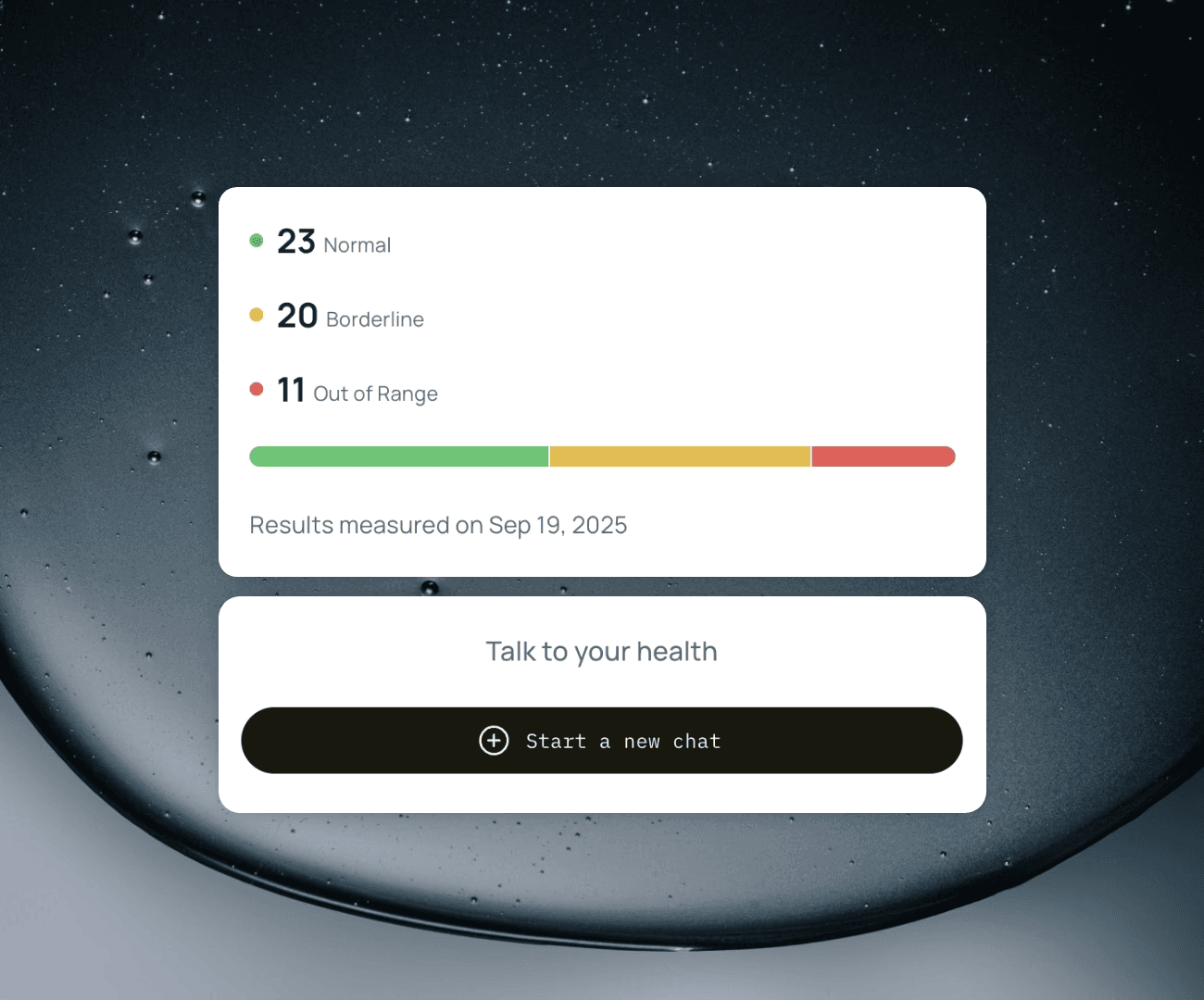
On the “Results” page you will see both an overview of all your results, indicating how many were classified as Normal, how many as Borderline and how many Out of Range
You can generate a pdf summary of your results very easily, by clicking on the “Export PDF” button in the top right corner.
By clicking on the “View Full Analysis” button your results will be analysed by your Health Companion and a comprehensive personalised summary produced. This will pull together any follow ups needed as well as provide an action plan for improving any areas. You can follow up with additional questions or clarifications and go into as little or as much detail as you want.
Similarly, you can click on “Ask Health Companion” for any particular panel, to engage the Health Companion in the same way about a specific panel you are interested in.
Separately, you can simply ask any questions you like from the main Companion section (e.g. “What foods are good for increasing my Vitamin D levels?”)
You will never be left without next steps.
More Details on the Heart Health panel
Understanding your cardiovascular (heart) health is one of the most important steps you can take to support long-term wellbeing. This Heart Health Panel provides early, actionable insights long before symptoms appear. It helps identify patterns that can be improved with lifestyle changes or, when appropriate, medical review.
What this panel helps you understand
This panel examines a range of markers that together give a clear picture of your cardiovascular biology. It includes:
LDL cholesterol
HDL cholesterol
Non HDL cholesterol
Total cholesterol
Total cholesterol to HDL ratio
Triglycerides
Apolipoprotein B (ApoB)
Apolipoprotein A1 (ApoA1)
The ApoB to ApoA1 ratio
Lipoprotein(a) [Lp(a)]
Interpreting these markers together allows you to understand your long-term cardiovascular health, not just whether a single number is high or low.
What each biomarker means for you
Total cholesterol
This is the combined amount of cholesterol carried by all lipoproteins in your blood. On its own, it does not tell us much. Its meaning comes from the balance between LDL, HDL and non-HDL cholesterol. Your personalised guidance will give an overview in the right context so you understand whether the pattern is favourable or if adjustments would help.
LDL cholesterol
High levels can contribute to long-term risk, but mild elevations are common and often respond well to targeted lifestyle support, exactly what Epic Life is personally designed to support you with
Non-HDL cholesterol
This includes all cholesterol carried by potentially atherogenic particles. It is often more useful than LDL alone, especially when triglycerides are higher. If raised, it can usually be improved with lifestyle changes and, where needed, medical optimisation.
HDL cholesterol
HDL helps clear cholesterol from your arteries. Higher levels are generally supportive of heart health, although the full picture always matters more than one number and there is a certain threshold when having a high HDL cholesterol level which is not helpful.
Apolipoprotein B (ApoB)
ApoB counts the number of cholesterol-carrying particles that can enter artery walls. If elevated, it does not mean you have heart disease. It simply shows an area that may benefit from optimisation.
Apolipoprotein A1 (ApoA1)
ApoA1 supports cholesterol removal. Lower levels can reflect inflammation, low activity or metabolic stress and can often be improved.
ApoB to ApoA1 ratio
This reflects the balance between atherogenic and protective lipoproteins. A higher ratio may signal that your lipid transport system is under strain. Your guidance will explain what this means for you.
Triglycerides
These commonly rise with stress, poor sleep, high sugar intake or alcohol. They usually improve with simple lifestyle adjustments.
Lipoprotein(a) [Lp(a)] – an important note
Many people have never had Lp(a) tested before or even heard of it. It is one of the most powerful inherited markers of cardiovascular risk and it is helpful to understand it clearly.
Key points about Lp(a):
Lp(a) is almost entirely determined by your genes rather than lifestyle.
Levels remain stable throughout life once you reach adulthood.
It is not a sign that you have done anything wrong and it is not affected by diet or exercise.
A raised level does not mean you have heart disease. It indicates that your inherited baseline risk may be higher than average.
If high, it increases the importance of managing other modifiable risk factors such as ApoB, LDL cholesterol, blood pressure and inflammation.
Most people only need to test Lp(a) once in their life unless a doctor advises repeat testing.
Your results will include clear guidance on what your level means and whether a medical review is recommended.
This marker often provides valuable clarity for people who have a family history of early heart disease or unexplained cardiovascular events.
What you can expect from your Heart Health results
Normal
You will receive tailored advice to maintain strong cardiovascular health through nutrition, movement, sleep and stress recovery.
Borderline
This is very common. These patterns often reflect factors like stress, activity levels, sleep quality, diet or alcohol intake.
You will receive:
An explanation of what the pattern means
Personalised and realistic recommendations
Guidance on whether repeat testing is useful and when
Out of Range- follow up needed
This may include:
Markedly raised cholesterol levels
High ApoB
Markedly raised LDL or non-HDL
Very high triglycerides
Elevated Lp(a)
Patterns suggesting inherited lipid conditions
If this applies to you, you will receive:
A clear explanation of why a review is recommended
A summary to share with your GP
Suggested timelines for follow-up
These findings are usually silent and do not mean you are unwell.
What this test does not do
This panel is not designed to diagnose heart disease, blocked arteries or heart attacks.
It does not replace medical review if you have symptoms such as chest pain, breathlessness, palpitations or swelling. These require urgent assessment.
What it does provide is early insight and a clear plan for improvement.
When to seek urgent care
Seek urgent medical help if you experience:
Chest discomfort
Sudden breathlessness
Fainting or sustained palpitations
Sudden weakness or speech difficulty
Our testing is not designed to investigate symptoms.
Final reassurance
Most people find areas they can improve. This is exactly the purpose of early screening. These tests are designed to empower you and give you more control over your future health. Epic Life will support you at every step.